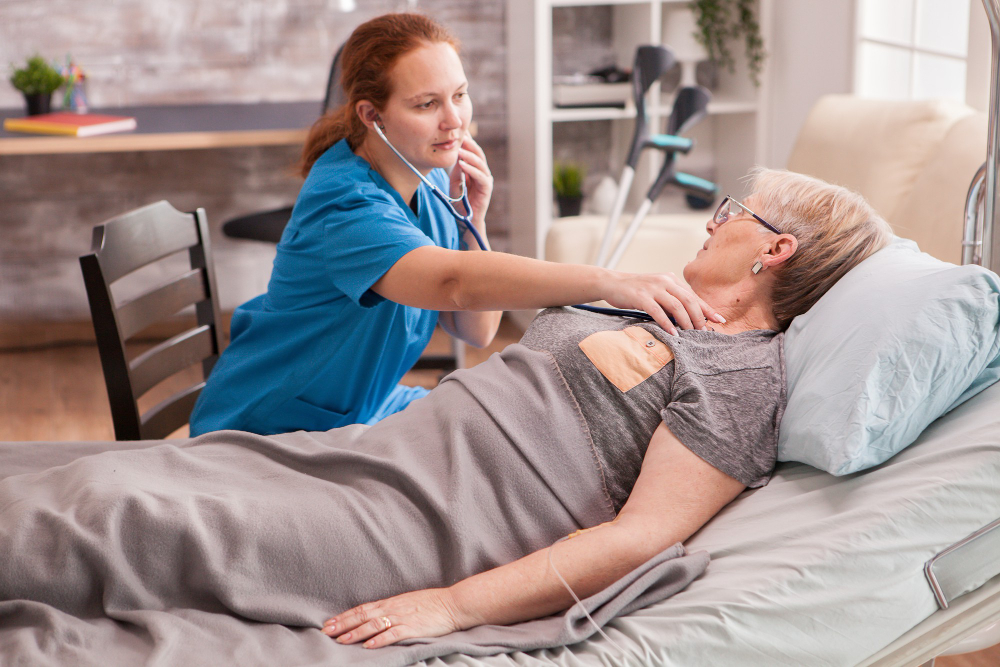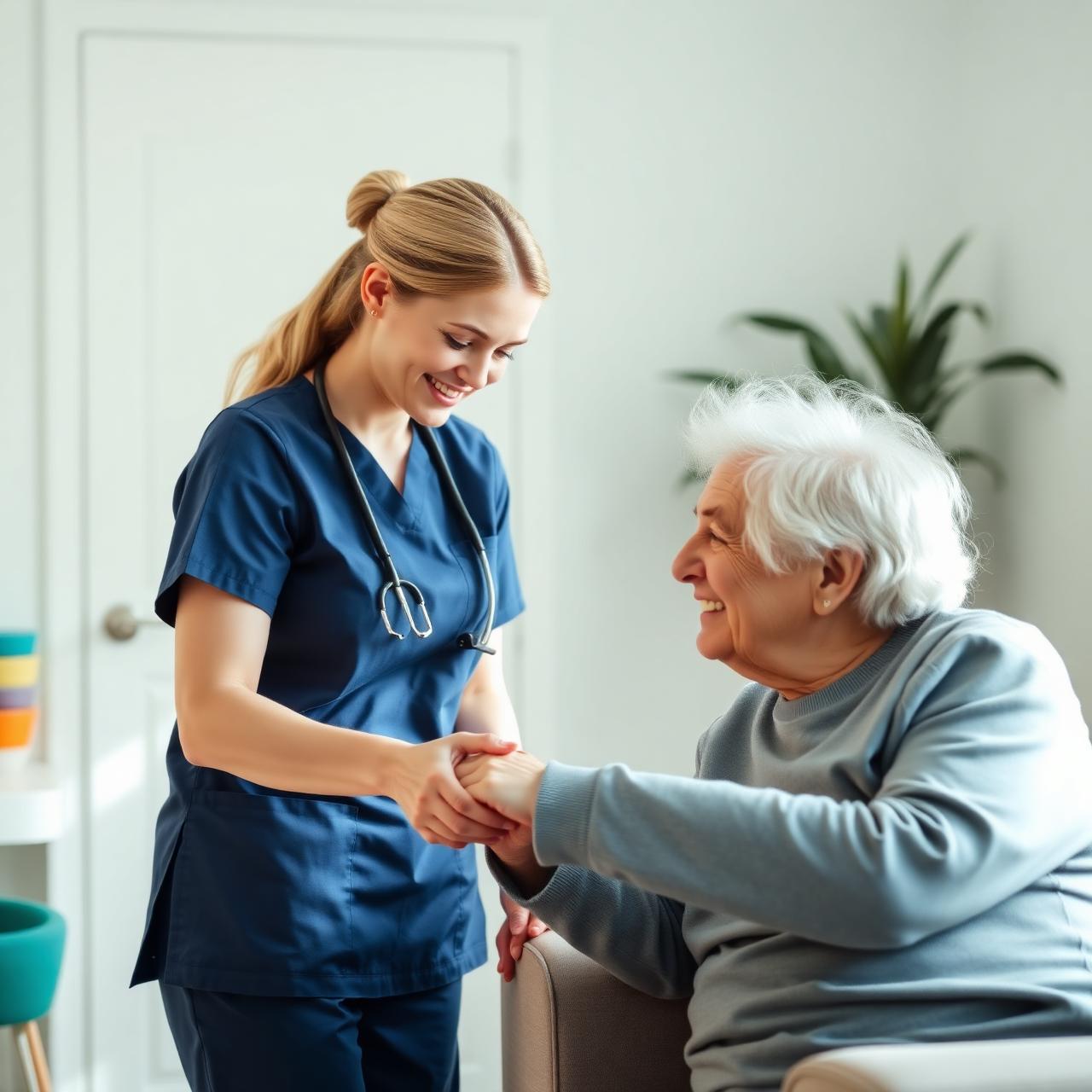
As our loved ones age, their living space plays a crucial role in maintaining independence, dignity, and physical safety. Falls are the leading cause of injury among older adults, but with a few intentional changes, you can dramatically reduce risks while keeping the home warm and welcoming.
Drawing on my 12 years of home care nursing, I've seen firsthand how small adjustments — from lighting to furniture layout — can transform a senior's confidence. Here are five evidence‑based strategies you can implement this weekend.
1. Eliminate Tripping Hazards
Start with a room-by-room walkthrough. Remove loose rugs, secure electrical cords along baseboards, and clear pathways of clutter. In the bathroom, use non‑slip mats inside and outside the shower. Pay special attention to transitions between flooring types — a small lip can be enough to cause a stumble.
2. Improve Lighting Everywhere
Ageing eyes need more light. Install bright, glare‑free LED bulbs, add nightlights in hallways and bathrooms, and consider motion‑sensor lights for nighttime navigation. Place lamps within easy reach of the bed and favorite chair so no one has to walk in the dark.
"One of my patients reduced her nighttime falls by 90% simply by adding a motion‑activated light strip along the hallway floor." — Sarah Mitchell, RN
3. Install Grab Bars and Railings
Grab bars aren't just for the shower — they belong near toilets, along staircases, and in any area where balance might be challenged. Modern designs are stylish and can double as towel racks. Ensure handrails on both sides of stairs are securely anchored into wall studs.
4. Rearrange Frequently Used Items
Keep everyday kitchenware, clothes, and toiletries at waist or shoulder height. This eliminates the need for step stools or excessive bending. In the kitchen, a lazy Susan in corner cabinets and pull‑out shelves can make cooking safer and more enjoyable.
5. Embrace Smart Technology
Medical alert systems, voice‑activated assistants, and automatic pill dispensers add layers of security. Many devices now integrate with smartphones, allowing family members to receive alerts if something seems amiss — a powerful tool for peace of mind.

About the author
Sarah Mitchell, RN
Lead Registered Nurse at CareNest with over 12 years of experience in ICU and home care. Sarah specializes in geriatric safety and family caregiver education.
View profile